PortMiami Royal Caribbean Terminal Costs Rise to $463M
The revamped Royal Caribbean Cruises terminal at PortMiami will cost $463 million, representing another increase from original projections. Despite the higher price tag, Miami-Dade County expects to generate $35 million in additional revenue from the enhanced facility.
The Royal Caribbean Cruises terminal redevelopment at PortMiami has seen its budget climb to $463 million, marking another cost increase for the major infrastructure project, according to Miami-Dade County documents.
Despite the rising expenses, county officials project the enhanced terminal will generate $35 million in net benefits for Miami-Dade County once operational. The financial analysis indicates the expanded facility's revenue potential will offset the additional investment required for construction.
The terminal upgrade represents a significant infrastructure expansion for PortMiami, which serves as one of the world's busiest cruise ports. Royal Caribbean Cruises, headquartered in Miami, operates multiple vessels from the port and has been a key tenant driving passenger volume growth.
PortMiami handles millions of cruise passengers annually, contributing substantially to South Florida's tourism economy. The facility serves as a homeport for numerous cruise lines beyond Royal Caribbean, including Norwegian Cruise Line, MSC Cruises, and Virgin Voyages.
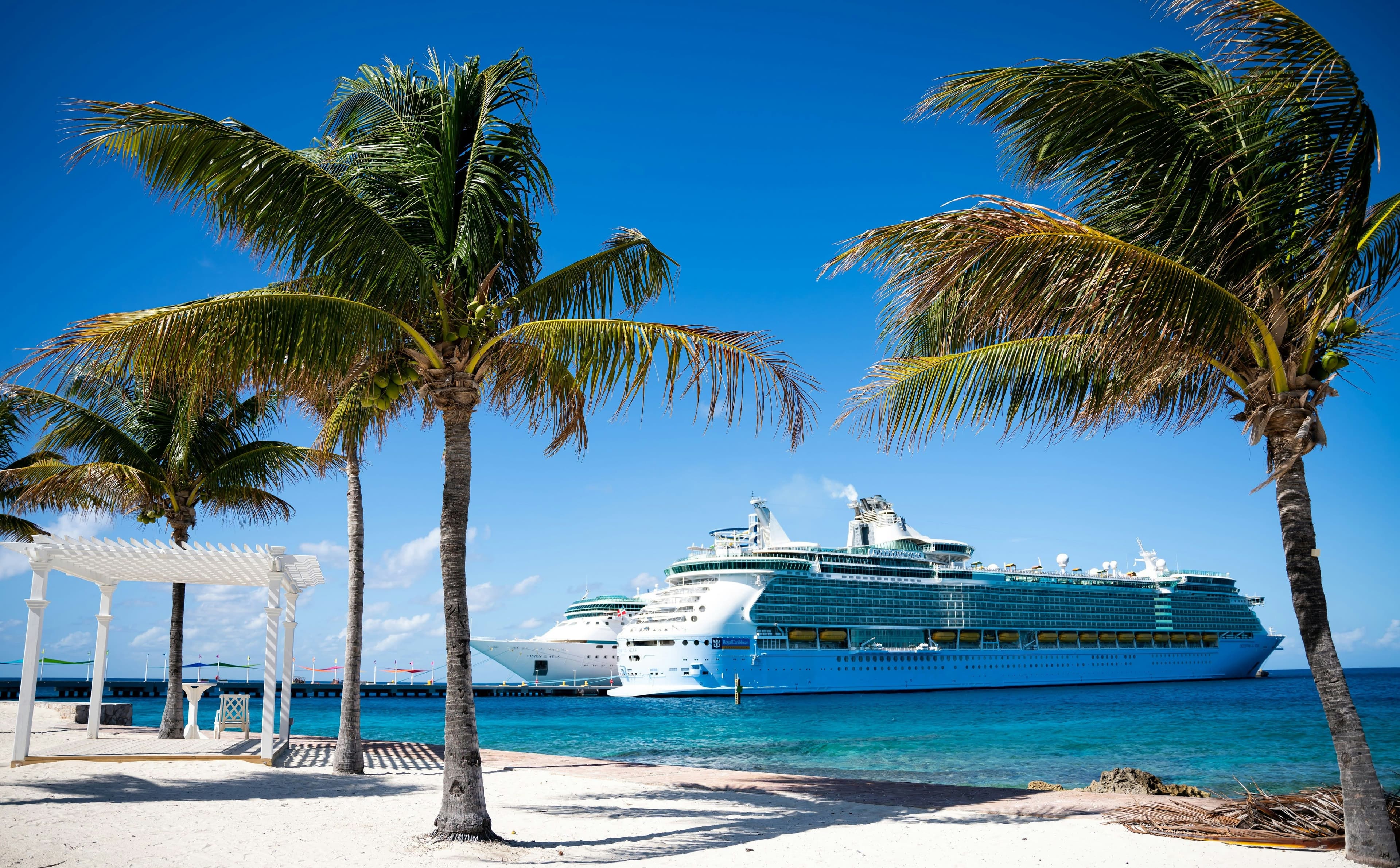
The terminal project involves extensive renovations and expansions to accommodate larger vessels and increased passenger capacity. Modern cruise ships continue growing in size, requiring ports to upgrade their infrastructure to handle these massive floating resorts that can carry over 6,000 passengers.
Miami-Dade County owns and operates PortMiami, generating revenue through various fees and agreements with cruise operators. The port contributes billions annually to the local economy through direct spending, jobs, and related tourism activities.
Construction projects at major ports often experience cost escalations due to complex engineering requirements, regulatory compliance, and supply chain factors. The marine environment presents unique challenges for builders working on waterfront infrastructure.
Royal Caribbean operates its global headquarters from Miami and maintains a significant presence throughout South Florida. The company employs thousands locally and has invested heavily in port facilities across the region.
The cruise industry rebounded strongly following pandemic disruptions, with passenger volumes returning to pre-2020 levels. This recovery has driven demand for improved terminal facilities capable of processing large numbers of travelers efficiently.
PortMiami competes with other major cruise ports including Fort Lauderdale, Port Canaveral, and international destinations. Maintaining state-of-the-art facilities helps attract cruise lines and supports the region's position as a leading embarkation point.
County commissioners will likely review the updated project costs as part of their ongoing oversight responsibilities. Public infrastructure investments of this magnitude typically require multiple approvals and regular progress assessments.