Florida Renters Face Highest Cost Burden Despite Apartment Oversupply
Florida ranks as the worst state for apartment renters with households spending 37.4% of income on rent, according to ConsumerAffairs study. The state maintains a 7.6% vacancy rate despite affordability challenges.
Florida households allocate 37.4 percent of their income toward rent payments, marking the highest cost burden for renters nationwide, according to a comprehensive study by ConsumerAffairs, the Oklahoma-based consumer insights organization.
The research positioned Florida as the most challenging state for apartment renters, citing limited affordability and absence of tenant protection measures. Statewide median monthly rent reaches $1,669, representing the eighth-highest figure nationally and approximately 18 percent above the national median.
Despite these affordability pressures, Florida maintains robust apartment availability with a 7.6 percent vacancy rate, ranking sixth highest across the United States. This supply-demand disconnect highlights the complex nature of the state's rental market dynamics.
South Florida's tri-county region experienced particularly dramatic shifts during the pandemic era. The area attracted unprecedented apartment demand following early lockdown lifting and year-round climate advantages, resulting in record rent growth that displaced numerous long-term residents.
Recent data from Realtor.com indicates regional asking rents reached $2,235 in February, reflecting a 3.3 percent year-over-year decrease and marking the 33rd consecutive month of rent decline. However, many residents remain priced out of the market and continue seeking housing alternatives in other states.
Miami-Dade County experienced a population decline of approximately 10,115 residents between July 2023 and July 2024, according to Census Bureau data reported by the Miami Herald. This workforce exodus raises concerns about economic support for key industries including hospitality and tourism.
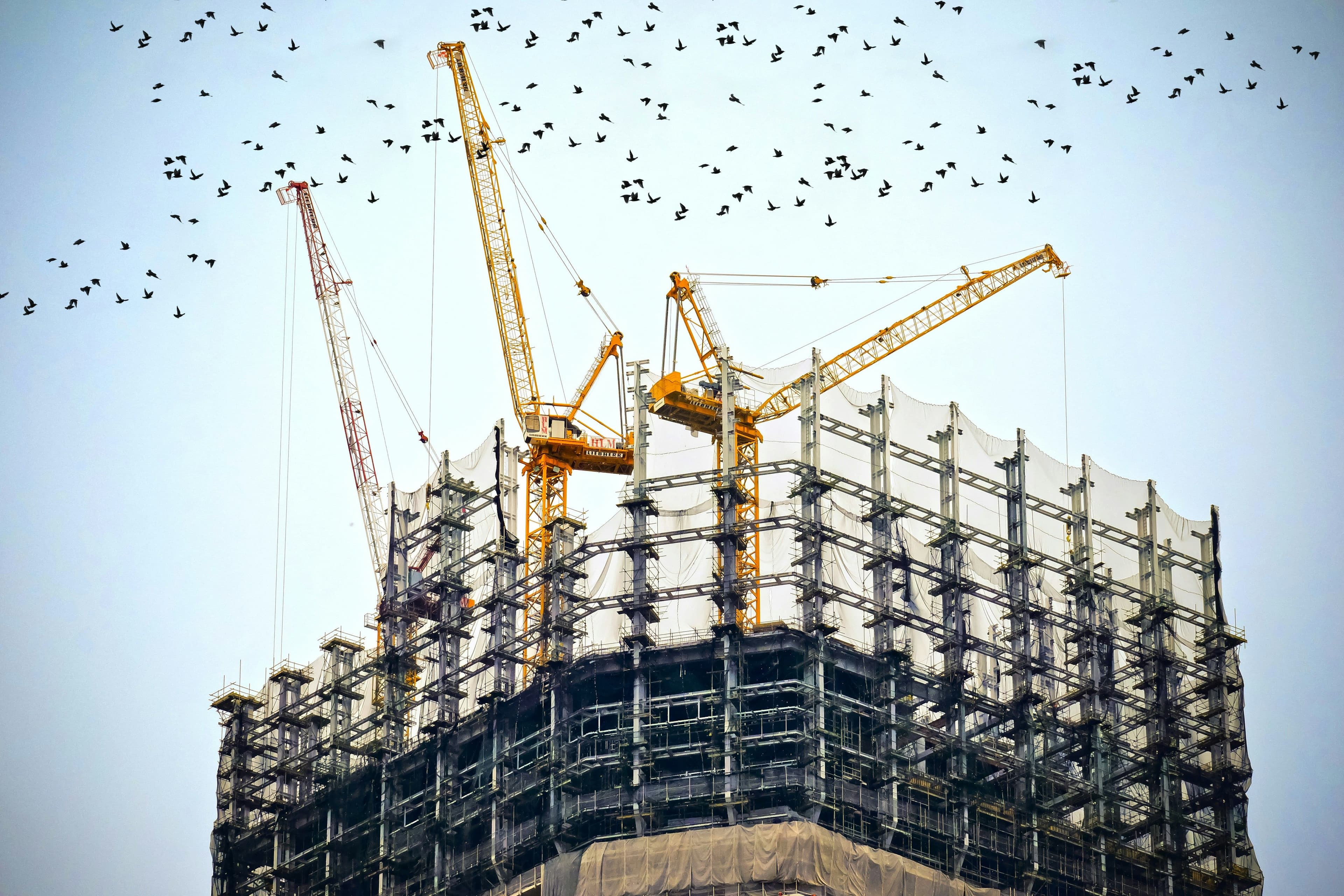
The multifamily development sector reflects these market pressures through oversupply conditions. Developers delivered a record 18,600 units throughout 2024, with 20 percent remaining unleased by year's end, according to CoStar Group data. This oversupply has prompted landlords to reduce rents and increase concessions to attract tenants.
Construction activity has moderated as developers await demand recovery. Of the 12,718 units delivered in the previous year, 92 percent targeted high-end market segments, leaving workforce and affordable housing needs largely unaddressed.
Some developers are adapting to market conditions through strategic pivots. Henry Torres' Astor Companies converted their eight-story, 179-unit Little Havana project from rental apartments to condominium sales, joining a growing trend of rental-to-condo conversions that began gaining momentum in 2024.
The Live Local Act, state legislation designed to incentivize workforce and affordable apartment construction, has generated limited completed projects since its 2023 passage. Florida TaxWatch reported that 3,200 units were finished under the program as of October, representing early progress in addressing broader housing accessibility challenges.