Miami Board Reviews Two Major Development Projects
The city's Planning Zoning & Appeals Board will vote on the $2 billion Midtown Park project featuring 924 residential units and the Coconut Grove Playhouse restoration. Both proposals have received staff approval recommendations.
Two significant development projects are heading to Miami's Planning Zoning & Appeals Board for critical votes that could reshape the city's urban landscape.
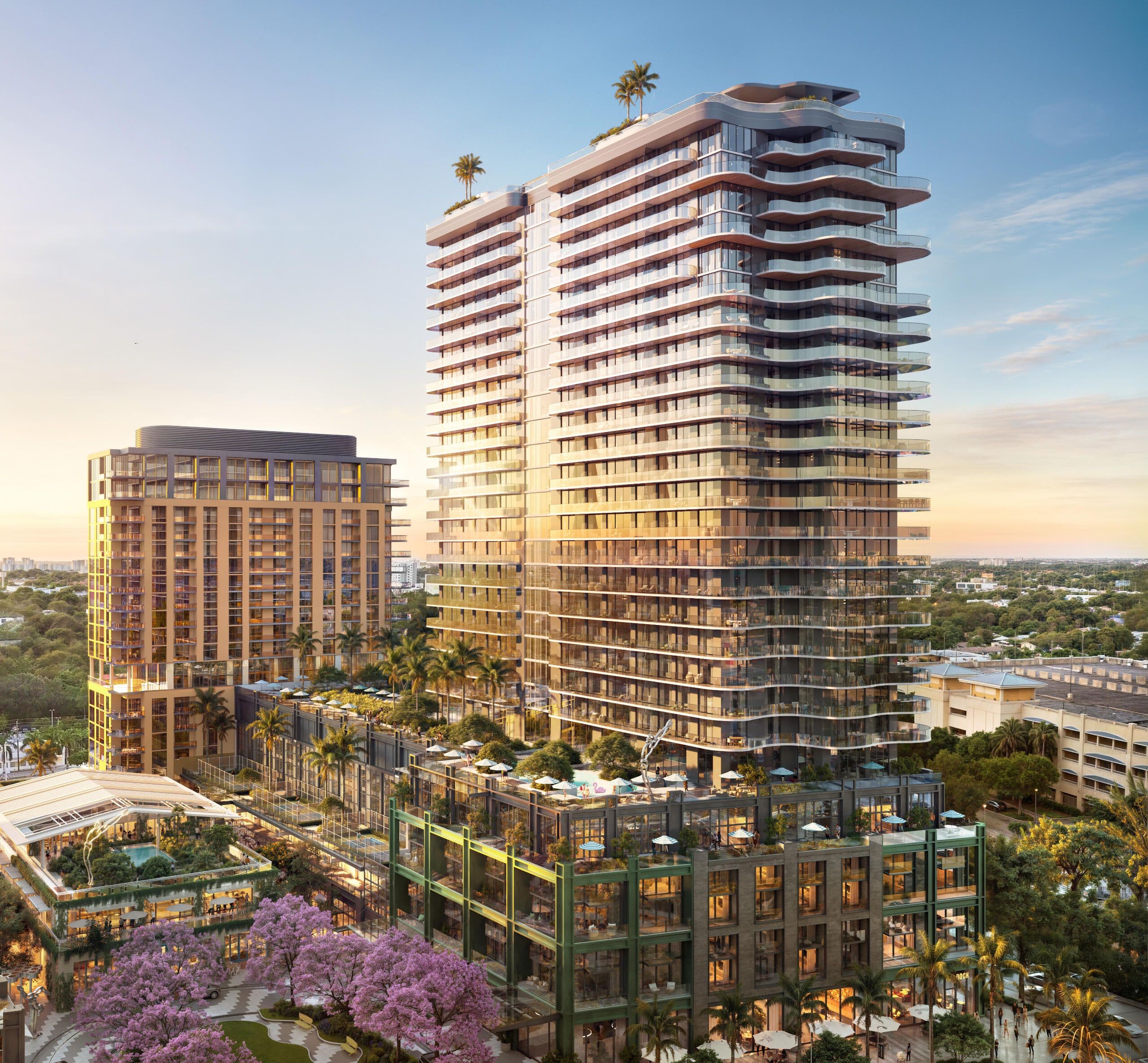
The board will consider approval for Midtown Park, a massive mixed-use development valued at more than $2 billion. The project, developed through a partnership between Carlos Rosso's Rosso Development and Alex Vadia's Midtown Development, spans 5.3 acres at 3055 North Miami Avenue.
The ambitious Midtown venture calls for 924 residential units alongside nearly 50,000 square feet of office space and 107,000 square feet of retail. Developers plan more than 1,100 on-site parking spaces to serve the complex, which requires a major use special permit for approval.
The development's first phase features the 28-story Midtown Park Residences by Proper, created in collaboration with Proper Hospitality. This tower will contain 288 condominiums ranging from studios to three-bedroom units, plus penthouses with private rooftop gardens and pools. The building incorporates 40,000 square feet of amenities for residents.
Fortune Development Sales leads marketing efforts for the project, with unit prices starting in the mid-$600,000 range. Construction completion is targeted for 2028. Ultra Padel & Wellness will operate a specialized racquet and padel club within the development.
The Miami Urban Development Review Board approved the master plan for Midtown Park last fall, clearing a significant regulatory hurdle.
Simultaneously, Miami-Dade County seeks board approval for the long-awaited Coconut Grove Playhouse restoration at 3498-3500 Main Highway in downtown Coconut Grove. The county requests five exceptions and four waivers for the historic property's controversial renovation and expansion.
County officials want exceptions permitting community facility and commercial space uses, including office functions. The requested waivers would expand project scope by increasing maximum lot coverage from 50 percent to 62 percent while reducing required green space from 30 percent to approximately 15 percent.
City planning staff have recommended approval for both developments, though each comes with specific conditions that developers must meet. The recommendations signal professional review teams view both projects as beneficial additions to Miami's development portfolio.
These simultaneous approvals reflect Miami's continued growth momentum in both residential and cultural sectors. The Midtown project addresses housing demand in a rapidly developing neighborhood, while the playhouse restoration preserves an important cultural landmark for future generations.
The board's decisions will influence Miami's development trajectory and demonstrate the city's commitment to balancing new construction with historic preservation priorities.